Technical base: USB Power Delivery can scale up to 240W with USB PD 3.1, while the EU common charger rules push USB-C as the shared charging connection for many devices, with laptops included from 28 April 2026. That makes charger clarity, compatibility and honest wattage claims very relevant for your webshop content.
Fast chargers are everywhere now, but the numbers on the box do not always tell the full story. A charger may be advertised as 65W, 100W or even 240W, but the actual charging speed depends on the charger, the cable and the device working together.
This is where USB-C Power Delivery, also called USB-C PD, becomes important. Power Delivery allows a charger and device to communicate before charging begins. Instead of sending maximum power blindly, they negotiate the voltage and current the device can safely accept. That is why a 100W charger can charge a phone, tablet, laptop or power bank without always delivering 100W to every device.
Why fast charging can be confusing
A common misunderstanding is that a higher wattage charger automatically makes every device charge faster. In reality, the device decides how much power it can take. A phone that supports around 25W will not suddenly charge at 100W just because it is connected to a 100W charger.
The same applies to laptops, tablets and handheld devices. Some require USB-C PD, some need PPS support for better charging control, and others may only reach their maximum charging speed with the correct cable. This is why clear compatibility information matters.
The cable matters too
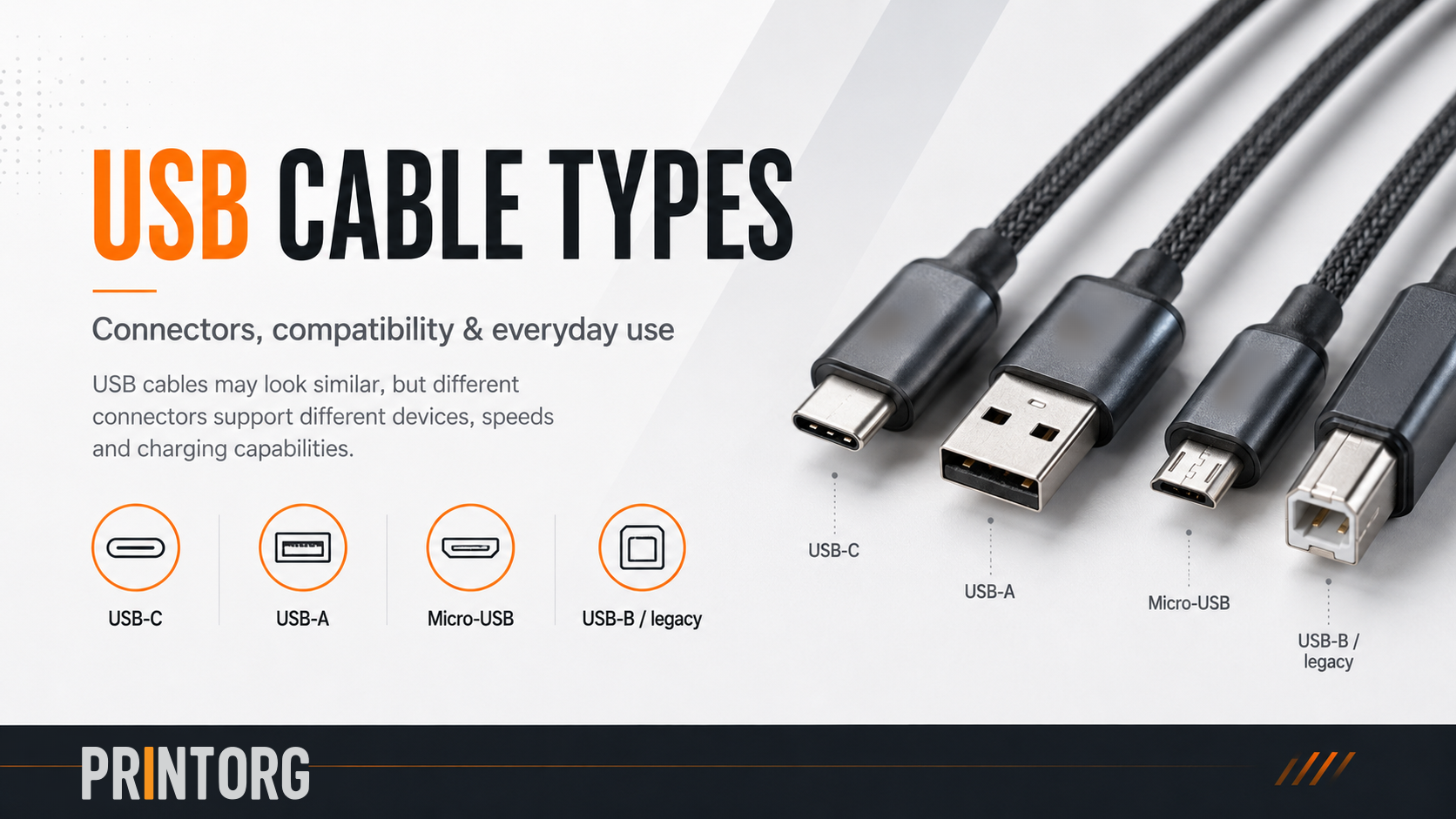
The charger is only one part of the setup. The USB-C cable also needs to support the required power level. A basic USB-C cable may be fine for phone charging, but higher-power charging usually requires a cable that supports 5A and includes an E-marker chip.
For example, 60W charging is usually enough for phones, tablets and smaller devices. A 100W cable is better for many laptops and multi-device chargers. For the newest high-power USB-C PD 3.1 setups, 240W cables may be required. USB-IF describes USB PD 3.1 as the update that enables up to 240W over USB Type-C.
Multi-port chargers and shared power
Many fast chargers have multiple USB-C and USB-A ports. The total wattage shown on the charger is often the maximum combined output, not the power available from every port at the same time.
For example, a 100W charger may deliver 100W from one USB-C port when used alone, but the power may be divided when two or three devices are connected. One port might drop to 65W, another to 30W, and another to a lower output depending on the charger design.
This is not always a problem, but it should be explained clearly. A good charger product page should show both the maximum total output and the power distribution per port.
Safe charging is more than speed
Fast charging should not only be about reaching a higher wattage. A good charger should manage heat, negotiate power correctly and include protection against over-current, over-voltage and short circuits. GaN chargers are popular because they can offer high power in a smaller size while staying efficient, but quality still depends on the internal design and certification.
For webshop customers, the best message is simple: choose a charger that matches your device, use a cable with the correct rating, and avoid unknown chargers with vague specifications.
Choosing the right fast charger
For most phones, a compact 30W or 45W USB-C PD charger is already enough. For tablets, handheld devices and smaller laptops, 65W is a strong everyday choice. For laptops and multi-device setups, 100W chargers are more useful. For high-power laptops and future-proof USB-C setups, USB PD 3.1 chargers and 240W-rated cables become more relevant.
The best charger is not always the charger with the highest number. The best charger is the one with clear specifications, safe power delivery and the right compatibility for the devices you actually use.
Clear specs matter
Fast charging should be easy to understand. Wattage, USB-C PD, PPS support, cable rating and port distribution all affect real-world performance. Clear product information helps customers avoid buying the wrong charger and makes it easier to choose a setup that is fast, safe and reliable.
At Printorg, the goal is simple: no mystery chargers, no vague fast-charging claims and no confusing cable combinations. Just clear specifications, tested compatibility and practical charging solutions.